
By Joanna Sochan, Wholistic and Natural and Lifestyle Therapist with 15+ years experience supporting gut health and microbiome diversity, digestive, hormonal and metabolic health, naturally.
If you’re searching for how to improve gut health naturally, one of the most research-backed strategies is eating 30 different plant foods per week to increase gut microbiome diversity. This can be accomplished without extreme diets, expensive supplements, or cutting out entire food groups.
It’s not about restriction. It’s about diversity.
Who this guide is for
This article is for you if:
- You struggle with bloating, constipation, or IBS-type symptoms
- You feel tired despite eating “healthy”
- You’ve taken antibiotics and want to rebuild your gut flora
- You want to improve immunity and long-term metabolic health
- You’re overwhelmed by conflicting gut health advice
If you prefer a clear, evidence-informed framework rather than trends, you’re in the right place.
Download the printable 30 Plant Diversity Tracker below to start implementing immediately.
Quick overview: why 30 plant foods per week matter
Here’s what the research shows:
- Eating 30+ plant foods per week is associated with greater gut microbiome diversity, improving overall health (McDonald et al., 2018).
- Higher microbial diversity is linked to better immune, metabolic, and mental health while reducing disease risk (PMID 24833634; PMID 31460832).
- Diversity matters more than dietary label, whether you are vegan, vegetarian, or omnivorous.
- Different plant fibres and polyphenols feed different beneficial bacteria.
- Small increases in plant variety can significantly improt gve microbial resilience that can lead to significant health benefits.
- Track your plant intake easily with a free 30-Plant Weekly Tracker for better gut health and microbiome balance.
Many clients tell me that simply tracking 30 plant foods per week transformed their energy levels, digestion, and mood within just a few weeks. Try it for yourself to reap the benefits! – download the weekly tracker below.
What is gut microbiome diversity and what it means for your health?
Definition: Gut Microbiome Diversity
Gut microbiome diversity measures both the number and balance of different microbes in your digestive tract. Higher diversity is linked to better digestion, immune regulation, and overall metabolic health.
The gut microbiome represents one of the most complex and biologically influential ecosystems in the human body, consisting of trillions of microorganisms including bacteria, fungi, protozoa, and other microbes. Microbiome diversity refers to both the number and variety of microbial species in your gastrointestinal tract. This microbial community plays a decisive role in numerous physiological processes that influence:
- Digestion and nutrient absorption
- Immune regulation
- Protection against pathogens
- Inflammation
- Hormone signalling – for hormone-linked symptoms, explore Gut and Hormones article here
- Metabolism
- Mood and brain chemistry
A more diverse microbiome = A more resilient ecosystem.
When diversity decreases, research links low microbial diversity to:
- Obesity
- Type 2 diabetes
- IBS and IBD (inflammatory bowel disease)
- Autoimmune conditions
- Cardiovascular disease
- Depression and mood disorders
- Autism
Reduced diversity may contribute to inflammation and increased intestinal permeability. Learn more about how intestinal permeability affects gut health, digestion and hormone balance here.
The “hygiene hypothesis” suggests that reduced microbial exposure in modern industrialised societies – due to antibiotic overuse, processed diets, and hyper-sanitised environments – has contributed to the depletion of microbial diversity and the subsequent rise in immune dysregulation.
Learn more about gut health and the microbiome in my comprehensive post: Gut health and the microbiome: a foundational guide for gut health, digestion, hormones and immunity.
Why does eating 30 plant foods per week improve gut health naturally?
The American Gut Project (PMID 29795809) found that people who consumed 30 different plant foods weekly had significantly more diverse microbiomes than those eating fewer than 10.
This was stronger than any dietary label alone – it’s about variety, not vegan vs omnivore.
Different plant foods contain unique combinations of:
- Soluble fibre
- Insoluble fibre
- Resistant starch
- Polyphenols (act as antioxidants and selectively feed beneficial bacteria e.g. quercetin, resveratrol)
- Prebiotic compounds
Different microbes thrive on different substrates. So, more plant variety → more microbial richness → greater variety and resilience.
Definition: Short-chain fatty acids (SCFAs) are metabolites produced by gut bacteria that serve as energy sources for colonocytes (cells that line the inner surface of the large intestine/colon) exert systemic anti-inflammatory effects. Fermentable fibres like inulin and resistant starch are metabolised into SCFAs (acetate, propionate, and butyrate), which improve gut motility, reduce intestinal permeability (“leaky gut”), and enhance mineral absorption. Certain strains also synthesise essential vitamins such as B vitamins (B12, folate) and vitamin K2, which are critical for energy metabolism and blood clotting.
How does gut microbiome diversity affect the immune system?
Around 70% of your immune system resides in the gut-associated lymphoid tissue (GALT) (PMID 24833634). Research shows that your microbiome “trains” immune cells to respond appropriately.
Low diversity has been associated with:
- Chronic low-grade inflammation
- Higher autoimmune risk
- Reduced infection resilience
In my clinical practice, clients with limited plant variety often report frequent digestive issues and slow recovery from minor infections, supporting these research findings.
What is the connection between the gut and the brain?
The gut-brain axis is the two-way communication between your gut and central nervous system (PMID 31460832).
Gut bacteria influence:
- Serotonin production (about 90% of the body’s serotonin is made in the gut)
- GABA pathways (a neurotransmitter that helps regulate mood and anxiety)
- Dopamine signalling (a key neurotransmitter involved in mood and motivation)
The above examples highlight the connection between gut health and mental wellbeing. Research shows that microbial diversity is linked to lower rates of depression and anxiety. When diversity drops, mood regulation can become less stable.
How does the gut microbiome influence metabolic health?
Microbial diversity affects:
- Insulin sensitivity
- Fat storage
- Lipid metabolism
- Energy extraction from food (mitochondrial function)
Lower diversity correlates with metabolic syndrome and increased inflammation (Le Chatelier et al., 2013).
Main factors that deplete microbial diversity include:
- Antibiotics (only use when absolutely necessary)
- Processed foods and refined sugars (promote harmful bacteria)
- Artificial sweeteners (alter and disrupt gut microbiome)
- Chronic stress and poor sleep (weaken gut barrier function)
Higher diversity supports:
- Better glucose regulation → less fat storage and metabolic dysfunction
- Reduced systemic inflammation → decreased pain, improved heart health, better digestion, and enhanced mood
- Improved satiety → better weight regulation
- Add digestion, gut and metabolism friendly drinks: apple cider vinegar and nutrient rich herbal oxymels
Key insight: Your microbiome doesn’t just digest food, it influences how your body responds to it.
What the research shows
- People who eat 30+ different plant foods per week have greater microbial diversity.
- Higher diversity is associated with better immune regulation and lower inflammation.
- Fibre variety matters more than total fibre alone.
- Polyphenols from colourful plants feed beneficial bacteria.
- Fermented foods help support microbial balance.
(Key research includes data from the American Gut Project and large microbiome cohort studies.)
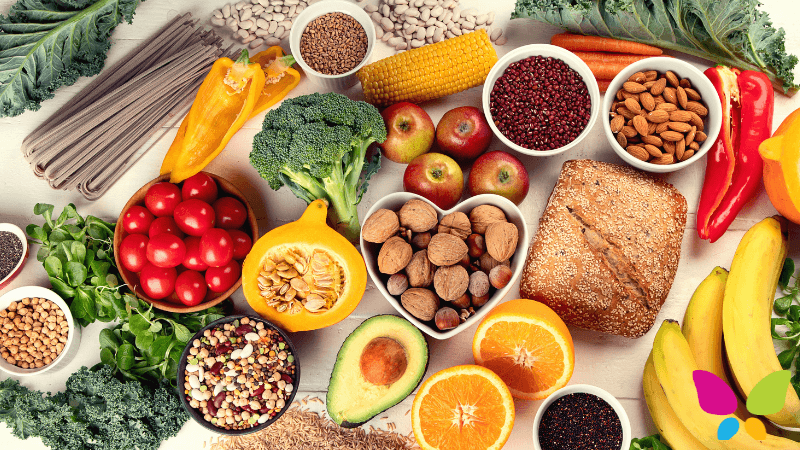
What counts toward the 30 plant foods?
Here’s the sample practical part:
- Vegetables: spinach, broccoli, red onion, capsicums (peppers)
- Fruits: apples, berries, kiwi fruit, pomegranate
- Legumes: lentils, chickpeas, black beans
- Whole grains: oats, quinoa, barley, brown rice
- Nuts and seeds: almonds, walnuts, chia seeds, flaxseed
- Herbs and spices: turmeric, cumin, basil, rosemary
NOTE: Herbs and spices count, even in small amounts. Each contains polyphenols that feed specific beneficial microbes.
Want a ready-made checklist? Download my free 30-Plant Tracker here.
How to reach 30 plant foods per week (without overthinking it)
- Rotate, don’t repeat: e.g. Spinach → rocket, almonds → walnuts, rice → quinoa
- Layer variety:
Breakfast: oats, chia seeds, blueberries, almond butter
Lunch: mixed leaves salad, parsley, chickpeas, red capsicum, pumpkin seeds
Dinner: lentils, broccoli, garlic, red onion, brown rice
Snacks: apple, walnuts, dark chocolate
Most clients find it surprisingly easy once they start tracking it, because small rotations add up quickly.
Case Snapshot:
A 45-year-old woman with constant bloating and fatigue increased plant variety from ~12 to 35 different plants weekly, and reported improved digestion and energy within 6 weeks.
Is this about restriction?
No. Gut health improves through abundance, not deprivation.
Shift your focus from: “What should I remove?” To: “What can I add?”
Summary: The 30-plant strategy for improving gut health naturally
- Aim for 30 different plant foods per week.
- Focus on diversity, not perfection.
- Rotate foods instead of repeating the same ones.
- Include herbs and spices.
- Add variety for sustainable results.
Those who track diversity consistently report better energy, improved digestion, and overall wellbeing. For a structured, easy-to-follow plan how to eat 30 plant foods per week to improve gut health naturally, I’ve created a FREE 30-Plant Weekly Tracker so you can:
- Track your plant variety daily with checklists in all plant categories
- Discover new foods, simple strategies and tips to help you eat 30 plant foods per week with ease and confidence
- Utilise a sample 3-day menu with foods for breakfast, lunch, dinner and snacks
- Build a stronger, more resilient microbiome and improve gut health
DOWNLOAD MY FREE 30-PLANT WEEKLY TRACKER
.. and start building your gut microbiome diversity and better health today.
Important note
High fibre, plant diet is not recommended for everyone to follow as it can be aggravating gut and other symptoms in some people and make them very unwell. In individuals with significant abnormal gut flora (gut dysbiosis) the gut becomes a major source of toxicity in the body instead of being a source of nourishment. As the toxins produced by the pathogens in the gut absorb into the blood stream (through leaky gut), they get distributed around the body causing problems, as they can affect any tissues or organs, depending on a person’s health and susceptibility.
Therefore, the priority for those individuals is to repair the gut (leaky gut) first through tailored nutrition and supplements, remove the pathogens and then re-seed the microbiome. These individuals are not able to tolerate much fibre and need to follow a different nutrition and lifestyle protocol called GAPS Diet. I’m a certified GAPS practitioner and can help with following it, if needed.
Frequently Asked Questions
A. Different plant foods feed different types of beneficial bacteria. Greater diversity supports a more resilient and balanced microbiome.
A. Yes. Observational microbiome studies show greater microbial diversity in people consuming 30+ different plant foods weekly have greater microbial diversity and improved health markers.
A: Any distinct plant food counts – vegetables, fruits, whole grains, legumes, nuts, seeds, herbs, spices, tea and coffee all contribute to microbiome diversity. Check out my 30 Plants per Week Guide for step-by-step guidance.
A. Yes! Herbs and spices are rich in polyphenols and contribute to microbial diversity. Herbs and spices especially add micronutrient and polyphenol diversity.
A: Yes, tea (especially green tea) and herbal teas contain polyphenols that feed different microbes and count toward your total.
A: Yes, but preferably organic variety as coffee crops are heavily sprayed with pesticides and the residues of the can remain in the final product. Read my article for more data: Drinking coffee: pros and cons from a medical perspective.
A. Start slowly. Introduce small amounts of new plants gradually and monitor tolerance. Consider working with a knowledgeable healthcare provider if needed. Many with sensitive guts find success by tracking symptoms alongside plant diversity. This Digestive Guide will help you manage symptoms and make better choices.
A: Different plants provide different fibres and compounds that feed distinct microbial communities.
A: At this stage research indicates that 30 plant foods per week is adequate for most people. My view is: aim for 40 if you can and want to do it, to increase diversity even more and introduce new foods on a regular basis.
A: That depends on your current microbiome status. Microbiome changes take weeks, not days. Consistency over time, with variety, rotation, and mindful lifestyle habits produces more resilient gut health. Many eople start feeling the difference within 2-3 4weeks.
Fermented foods can support gut health by introducing beneficial bacteria, but they usually work best alongside a diverse, fibre-rich diet.
A. No, your symptoms need further investigation, as your gut flora could be abnormal and producing toxins that make you unwell. Although eating more fibre feeds both “good” and “bad” bacteria, the abnormal ones will be fed and proliferate creating a vicious cycle. You may likely need another approach to gut and microbiome healing called GAPS nutritional protocol I mentioned above and you can read about it HERE.
Next step
A diverse gut microbiome is foundational to health, and eating 30 different plant foods per week is one of the most effective ways to boost microbial richness so, don’t stop at 30 keep going until 40! Combine this with fermented foods, prebiotics, and lifestyle adjustments for optimal gut function to be healthy, well and THRIVING!
If you’d like help with improving your gut health naturally, book an online naturopathic consultation with me to discuss your circumstances and how I can. Please note that at present I’m able to consult with Australia-based clients only.
To book an online or phone consultation, click the button below. I also offer a free 20-minute initial discussion to talk about your circumstances and how I could assist you.

I look forward to connecting with you and to supporting you in your ongoing health journey.

Joanna Sochan
Wholistic Health and Lifestyle Therapist
Natural and Lifestyle Solutions for Abundant Health and Wellbeing
References
- McDonald D et al. (2018). American Gut: an Open Platform for Citizen Science Microbiome Research. mSystems, 3(3). https://americangut.org
- Sonnenburg ED & Sonnenburg JL (2019). The ancestral and industrialized gut microbiota and implications for human health. Nature Reviews Microbiology, 17, 383–390.
- Le Chatelier E et al. (2013). Richness of human gut microbiome correlates with metabolic markers. Nature, 500, 541–546.
- Tilg H & Moschen AR (2014). Microbiota and diabetes: an evolving relationship. Gut, 63, 1513–1521.
- Cryan JF et al. (2019). The microbiota–gut–brain axis. Physiological Reviews, 99(4), 1877–2013.
Related posts
- What is leaky gut? Causes, symptoms, remedies
- Gut health and hormones: how microbiome regulates estrogen levels
- Morning light: the key to your body clock
- Sunlight as medicine: sleep, mood and metabolism
- Holy basil: key herb for stress, anxiety, depression and fatigue
Disclaimer: The above material is for informational and/or educational purposes only. It should not be used to self-diagnose and it is not a substitute for a medical advice, diagnosis, treatment, prescription or recommendation. All viewers of this content, especially those taking prescription or over-the-counter medications, should not make any changes in their health regimen or diet before first consulting a doctor or other qualified health provider with any questions they may have regarding a medical condition or their particular circumstances.

Joanna Sochan is a Wholistic Natural and Lifestyle Therapist and founder of Naturimedica Wholistic Wellcare. She has a passion for helping her clients transform their lives by becoming healthy and well naturally. Joanna has 15+ years experience in clinical practice and has special interest in solving complex cases, gut health, food sensitivities, hormone imbalances, detox and weight loss. She helps clients individually (mostly online) Australia-wide and also offers online therapeutic programs, eCourses and self-help books. View full bio.

Leave A Comment