
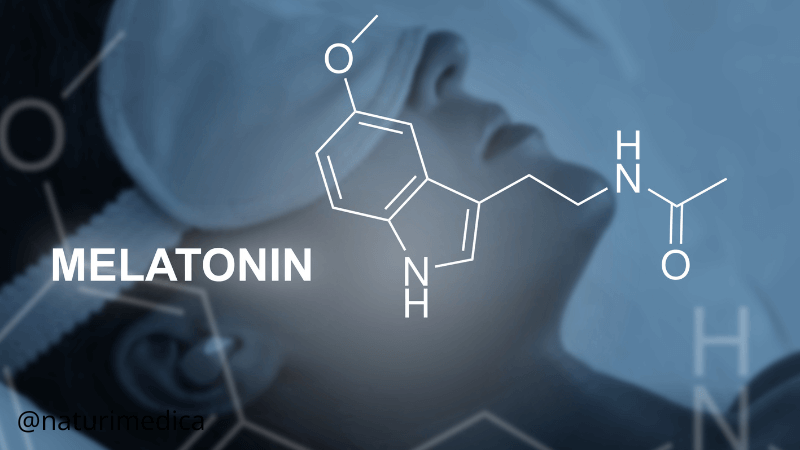
Sleep disruption, low energy, and hormonal changes are some of the most common concerns I see in clinic. And more often than not, they trace back to one underlying system that doesn’t get enough attention – your circadian rhythm.
Melatonin is often described as the “sleep hormone”, but in practice, it is better understood as a timing signal within a broader biological rhythm system that regulates sleep, hormones, metabolism and energy.
Recent research published in PubMed continues to highlight how circadian rhythm disruption is linked not only to sleep disturbances, but also to metabolic changes, mood shifts, and hormonal imbalance. When out of sync, everything feels harder – sleep becomes lighter or fragmented, energy dips during the day, and hormonal symptoms can intensify.
In this melatonin and circadian rhythm guide, I’ll walk you through how melatonin and circadian rhythm really work, and how you can support them naturally.
For a more in-depth information on circadian rhythm and its functions, read my Circadian Rhythm Health article.
If you’re also experiencing gut symptoms alongside sleep disruption, you may find it helpful to read my guide on gut health and the microbiome connection to overall wellbeing helpful. These systems are deeply interconnected.
Quick Answers
Melatonin is a hormone produced by the brain that regulates sleep-wake cycles in response to light and darkness. Melatonin is also an important antioxidant.
Your circadian rhythm is primarily regulated by light exposure, especially morning sunlight, along with cortisol rhythm, lifestyle habits, and metabolic signals.
Hormonal changes can disrupt sleep, stress resilience and energy production, making circadian rhythm regulation much more important in midlife. Circadian rhythm shifts during perimenopause and menopause making circadian stability more important than ever.
For additional sleep, circadian rhythm, and melatonin resources, visit the Sleep & Circadian Rhythm Resources Hub.
Key Definitions
Your internal 24-hour body clock that regulates sleep-wake cycles, hormone secretion, digestion, metabolism and energy.
A hormone and antioxidant produced mostly during the day and released at night in alignment with the body’s internal clock. It helps to initiate and support sleep.
The daily pattern of cortisol release which should peak in the morning and gradually decline toward the night.
What is Melatonin and Why Does it Matter?
Melatonin is a naturally occurring hormone primarily produced by the pineal gland in response to darkness. It plays a central role in regulating sleep timing, circadian rhythm, cellular repair, immune signalling, and overnight recovery processes.
While melatonin is commonly referred to as the “sleep hormone”, its function is much broader than sleep alone. Melatonin acts as a downstream signal within the body’s wider circadian rhythm system, helping coordinate biological processes according to the light-dark cycle. It’s also a powerful antioxidant.
This means melatonin does not work independently. Its production and release are strongly influenced by:
- Morning sunlight exposure
- Evening light exposure
- Sleep timing
- Stress and cortisol patterns
- Meal timing and metabolic signals
- Circadian rhythm alignment
When circadian rhythm becomes disrupted, melatonin production often becomes delayed, reduced, or inconsistent.
While commonly associated with sleep, most melatonin is produced during the day and released at night in alignment with the body’s internal clock. Only 5% of melatonin is produced at night by the pineal gland, approximately 95% comes from multiple tissues throughout the body and is synthesised in the mitochondria of these cells.
If you would like a broader understanding of how the body clock regulates sleep, hormones, metabolism, and nervous system function, read my foundational guide to Circadian Health.
Melatonin and Circadian Rhythm: Understanding the Connection
Melatonin is best understood as part of the body’s internal timing system rather than simply a sleep chemical. I often explain this to clients as a light-driven timing system rather than a single hormone issue or a hormone deficiency problem.
The circadian rhythm system acts as the body’s master biological clock, coordinating:
- Sleep-wake cycles
- Cortisol rhythm
- Hormone timing
- Metabolic activity
- Digestive function
- Cellular repair
Melatonin is one of the key signals produced by this system in response to darkness. Melatonin doesn’t force you to sleep. It signals that it’s time to wind down. That signal is heavily influenced by your exposure to light and darkness.
- Morning light helps “set” your circadian rhythm for the day
- Darkness in the evening allows melatonin to rise
- Artificial light, stress and irregular routines can disrupt this cycle
When the timing is off, melatonin may be released too late, too early, or not in a strong enough pattern to support deep, restorative sleep. In a healthy circadian pattern:
- Cortisol rises in the morning to promote alertness and energy
- Melatonin rises in the evening to support rest, repair, and sleep initiation
When this timing system becomes misaligned, the body may experience:
- Difficulty falling asleep
- Night waking
- Light or fragmented sleep
- Daytime fatigue
- Evening alertness or “wired but tired” patterns
For many people, especially after 40, the underlying issue is not simply “low melatonin”, but broader circadian dysregulation driven by modern lifestyle patterns such as artificial light exposure, stress, irregular schedules, and insufficient natural daylight.
That is why restoring circadian rhythm often improves melatonin function naturally.
For more in-depth practical guidance read our key practical circadian resource Your 24-Hour Circadian Guide and Workbook. What you’ll find inside: a Circadian Self-Check, clear WHAT → WHY → SO WHAT → HOW explanations, practical morning-to-night strategies, Circadian Journey check-ins, guidance on light, caffeine, hydration, meal timing, movement and sleep, a 7-Day Circadian Reset, references and further reading, plus the Safe & Sensible Sun Exposure reference section.
Morning light exposure anchors your internal clock, while evening darkness allows melatonin to rise at the correct time. However, modern lifestyle factors such as artificial lighting, irregular sleep patterns, and stress can shift this timing system out of alignment.
Learn more about hidden impacts of artificial lights on your health, melatonin function and biological clock.
If you want a deeper, practical step-by-step approach to restful sleep, I expand this further in my wholistic See the Whole Person: Make Sense of Your Sleep guide, where I walk you through real-world circadian reset strategies.
How Sunlight Regulates Melatonin
One of the simplest and most powerful circadian regulators is morning natural light exposure. Sunlight regulates melatonin production by influencing the body’s circadian rhythm. Exposure to light, especially in the morning, suppresses melatonin levels, signalling the body to be alert and active, while darkness increases melatonin production, preparing the body for sleep.
This is now strongly supported in circadian biology research and is a key factor discussed in sleep and metabolic studies indexed in PubMed. Your body relies on natural light to anchor your circadian rhythm. Without it, the entire system can drift.
In clinical practice, this can look like:
- Difficulty falling asleep
- Waking during the night
- Feeling tired but wired
- Low morning energy
Even 10–20 minutes of morning light daily can make a measurable difference. It can help:
- Anchor melatonin timing
- Improve sleep onset in the evening
- Support cortisol rhythm stability
- Enhance daytime energy regulation
This is especially relevant if you are working on hormonal balance or perimenopause-related sleep changes.
This is also something I cover in my broader sleep optimisation and circadian rhythm articles, where I go deeper into light exposure, cortisol timing and evening routines.
Natural light is particularly important if you are working on improving sleep as part of a broader hormonal reset or menopause transition. Light exposure is one of the most powerful “non-supplement” tools we have.
Melatonin and Hormonal Health
This is where I see the strongest clinical overlap. During perimenopause and menopause, changes in estrogen and progesterone can influence:
- Sleep depth
- Night waking frequency
- Stress sensitivity
- Thermoregulation
At the same time, melatonin production may become less stable with age. There’s usually a deeper pattern underneath. Sleep changes in midlife are rarely just “sleep problems”, they are often part of a broader hormonal transition. What I often see is:
- Increased night waking
- Early morning waking
- Reduced sleep depth
- Heightened stress sensitivity
Circadian rhythm disruption doesn’t just affect sleep, it can amplify hormonal symptoms. Supporting this system becomes one of the most effective ways to stabilise energy, mood and overall resilience. Explore how hormonal changes influence sleep during menopause.
If you’re navigating hormonal shifts, I go deeper into this in my menopause support and hormonal balance framework. Sleep disruption here is rarely isolated, it is usually part of a broader hormonal and stress adaptation pattern.
Understand what your menopause symptoms and signs are really telling you in my comprehensive guide found in the Shop.
Many women that come to see me need help with decisions which treatment to select for their symptoms. Some of them would like to learn about alternatives to HRT (hormone replacement therapy). Therefore I wrote a clinical eBook: The HRT Decision Guide: A Clinician’s Systems-base Perspective for Navigating Menopause and Hormone Health – click the link to purchase.
Circadian Rhythm and Metabolism
Circadian rhythm is not just about sleep – it is also a metabolic timing system. This surprises many people – your circadian rhythm also regulates:
- Blood sugar balance (glucose metabolism)
- Insulin sensitivity
- Appetite regulating hormones
- Mitochondrial energy production
Disruption in this system is increasingly associated with metabolic changes, weight resistance, and fatigue patterns in midlife populations.
This is also closely linked to gut health, which I cover in my microbiome and gut–brain axis guide. Read about how metabolism works in our in-depth article: How Metabolism Works: Hormones, Energy and Body Rhythms.
Melatonin, Sleep and Ageing
Melatonin is being researched for its potential anti-ageing properties. It acts as an antioxidant and has been shown to support cellular functions that decline with age, including brain health support. As we age, melatonin rhythms can become disrupted due to:
- Reduced daylight exposure
- Increased artificial light at night
- Hormonal changes
- Chronic stress and inflammation
This can contribute to:
- Insomnia
- Early waking
- Non-restorative sleep
The Gut–Sleep Connection
One of the most overlooked aspects of sleep regulation is the gut–brain axis. The gut microbiome influences neurotransmitter activity and inflammatory signalling, both of which can indirectly affect sleep quality and circadian rhythm stability. When gut health is compromised, sleep quality often follows.
This is why I rarely treat sleep problems in isolation in clinical practice – it is part of a wider interconnected system involving digestion, hormones, and metabolic health.
For a broader whole-person look at sleep after 40, see our Sleep Health Guide.
Why Melatonin Matters After 40
Melatonin production declines with age, particularly in women over 40. At midlife, and particularly during perimenopause and menopause, women experience shifts in:
- Estrogen
- Progesterone
- Cortisol
These can directly affect melatonin production and signalling, increasing vulnerability to sleep, mood, and metabolic challenges. This melatonin and circadian rhythm guide highlights changes that happen in midlife transition. Find out much more about the sleep-hormone connection here.
Common Causes of Melatonin Disruption
Melatonin disruption can significantly affect sleep patterns, nervous system and overall health. The key causes are:
- Inadequate morning sunlight and also during the day
- Excessive evening light exposure
- Artificial light exposure to blue light (screens, phones, TVs)
- Shifted sleep–wake timing
- Irregular sleep schedules
- Shift work
- Travel crossing multiple time zones
- Chronic stress
- Inflammation (local and/or systemic)
- Ageing
- Medical conditions such as anxiety and/or depression
Understanding and managing these multifactorial causes can help maintain and improve melatonin levels.
How to Support Melatonin and Circadian Rhythm Naturally
The good news is that this system responds very well to consistent, simple inputs. From a clinical perspective, the most effective natural ways to support melatonin and circadian rhythm are often simple but consistent.
Here are the foundations I focus on in practice:
- Get natural light exposure within the first hour of waking and during the day
- Reduce artificial light in the evening, especially screens and bright lights
- Have dark nights – dark, quiet bedroom with light blocking curtains, if needed
- Keep consistent sleep and wake times
- Support blood sugar balance throughout the day with nutrition
- Manage stress and cortisol load, decreasing chronic stress is a priority
- Support gut health and the microbiome as part of your overall strategy
- Review nutrition patters – e.g. investigate nutrient deficiencies that can interfere with sleep such as tryptophan (an amino acid found in foods like turkey, fish, eggs, and dairy), as well as magnesium and vitamin B6.
- Consume foods high in natural melatonin – especially goji berries which have key nutrients to support natural melatonin absorption and utilisation
These circadian rhythm and sleep regulation strategies may sound simple, but when applied consistently, they can shift circadian rhythms and sleep patterns quite significantly. This melatonin and circadian rhythm guide explains the why’s and hows.
For an in-depth explanation about melatonin-circadian rhythm connection read our key practical circadian resource Your 24-Hour Circadian Guide and Workbook. What you’ll find inside: a Circadian Self-Check, clear WHAT → WHY → SO WHAT → HOW explanations, practical morning-to-night strategies, Circadian Journey check-ins, guidance on light, caffeine, hydration, meal timing, movement and sleep, a 7-Day Circadian Reset, references and further reading, plus the Safe & Sensible Sun Exposure reference section.
If you would like personalised support with the foundations, I offer online naturopathic consultations Australia-wide where we assess sleep, gut health, metabolism and hormones as an integrated system.
Common Questions
Melatonin supplements can be useful short-term in select cases but they correct circadian misalignment if underlying light exposure, stress, or metabolic timing is disrupted.
Yes. Morning light is one of the most powerful regulators of circadian rhythm and melatonin timing.
With consistent changes, many people notice improvements within 1–2 weeks, although deeper regulation can take longer.
Yes. Hormonal shifts can alter sleep patterns, cortisol rhythm and melatonin production.
Key Takeaways
- Melatonin is primarily a daytime-produced hormone
- Sunlight is essential for healthy melatonin rhythm
- Midlife hormonal shifts can disrupt melatonin e.g. sleep problems in menopause
- Circadian and lifestyle support matters more than supplements
Final Thoughts
When sleep becomes disrupted, it is rarely just about melatonin alone. It is about timing, light exposure, metabolic stability, hormonal transitions, and gut–brain communication working together as one system.
Once you start addressing circadian rhythm as a whole-body regulatory system, rather than an isolated sleep issue, outcomes tend to be more stable and sustainable. Our systems-based approach recognises the interconnected relationship between sleep, hormones, gut and every other body system
By supporting your circadian rhythm through light exposure, lifestyle and metabolic balance, you’re working with your biology rather than against it. And that’s where sustainable change happens. Information and guidelines provided in this melatonin and circadian rhythm guide is a great place to start.
If sleep has become unpredictable or you’re navigating hormonal changes, addressing circadian rhythm can make a meaningful difference. My eBook: Daily Light & Darkness Routine: A Circadian Light Guide For Better Sleep, Energy & Hormone Health can guide you how to align circadian rhythm and sleep in practical and simple ways.
Next Steps
I often say to my clients that using information is different from applying it. Education is an important first step – and you’re already doing that by reading the article. If you’re ready for guidance that takes your unique health history into account, I’m here to help.
If you’re unsure how this information applies to your own health, individual support can make all the difference. I work virtually as an online wholistic naturopath and nutritionist helping clients Australia-wide.
👉 Learn More About Consultations
Book an online consultation or click on the button below to book a free 20-minute initial discussion to talk about your circumstances and how I can help.

I look forward to supporting you in achieving greater balance, energy and wellbeing.
Best of Health
Joanna Sochan
Wholistic Health and Lifestyle Therapist
Integrative health support combining clinical evidence, systems-based thinking and traditional naturopathic wisdom for lasting health and wellbeing
References and Sources
- PubMed: Melatonin: Both a Messenger of Darkness and a Participant in the Cellular Actions of Non-Visible Solar Radiation of Near Infrared Light
- Life Extension: Melatonin and healthy aging
- University of Utah: Menopause and melatonin
- Frontiers of Endocrinology: Dual sources of melatonin and evidence for different primary functions
- National Library of Medicine (PubMed): https://pubmed.ncbi.nlm.nih.gov
- Johns Hopkins Medicine: https://www.hopkinsmedicine.org
- Science Direct database: https://www.sciencedirect.com
Related Deep-Dive Articles
If you’d like to learn more about the natural melatonin cycle and circadian rhythms, I wrote a series of in-depth and practical blogs to explain why they have key importance to health and wellbeing for everyone.
- Melatonin: The hidden daytime hormone that powers your hormones
- Rebuilding Your Natural Melatonin Cycle: Practical strategies for hormonal harmony
- Morning Sunlight: The key to your body clock
- Sunlight as Medicine: Sleep, mood and metabolism
- Artificial Light vs Sunlight: The hidden impact on your health
- Daily Light & Darkness Guide and Workbook
- Menopause Hormone Health After 40
- Metabolic health after 40 and circadian rhythm
Disclaimer: The above material is for informational and/or educational purposes only. It should not be used to self-diagnose and it is not a substitute for medical advice, diagnosis, treatment, prescription or recommendation. All viewers of this content, especially those taking prescription or over-the-counter medications, should not make any changes in their health regimen or diet before first consulting a doctor or other qualified health provider with any questions they may have regarding a medical condition or their particular circumstances.

Joanna Sochan is a Wholistic Naturopath and Nutritionist and founder of Naturimedica Wholistic Wellcare. She has a passion for helping her clients transform their lives by becoming healthy and well naturally. Joanna has 15+ years experience in clinical practice and has special interest in solving complex cases, gut health, food sensitivities, hormone imbalances, detox and weight loss. She helps clients individually (mostly online) Australia-wide and also offers online therapeutic programs, eCourses and self-help books. View full bio.
Leave A Comment