
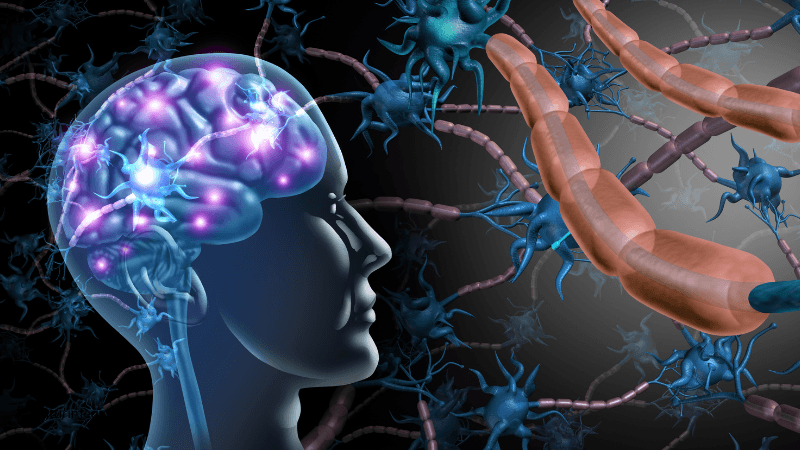
The connection between your gut and brain is not theoretical, it is biological, constant, and measurable. Your gut and brain communicate continuously through what’s known as the gut–brain connection (axis).
This connection influences:
- Mood
- Stress resilience
- Sleep quality
- Cognitive clarity
- Hormonal regulation
In this post I discuss the gut–brain axis in more detail.
Quick Summary
- The gut and brain communicate continuously through the gut–brain axis
- Gut microbes influence mood and stress response through neurotransmitters such as serotonin
- Inflammation links gut health to mental wellbeing, focus and energy
- Stress directly impacts digestion and microbial balance
- Supporting the gut often improves digestion, mood and resilience
Key definitions
- Gut–brain axis: Communication network linking the gut and brain via nerves, hormones and immune signals
- Vagus nerve: A major nerve that regulates digestion and stress response
- Neurotransmitters: Chemical messengers such as serotonin and GABA that influence mood and emotional balance
What Is the Gut–Brain Axis?
The gut–brain axis is a two-way communication system between the digestive system and the brain, involving the nervous system, hormones, immune signals, and gut microbes. It influences digestion, mood, stress response, and overall health.
The Gut Brain Axis: A Two-Way Communication System
The gut–brain axis is a two-way communication system linking the digestive system and the brain through neural, hormonal and immune pathways. Your gut and brain are in constant dialogue. This communication happens through four distinct mechanisms:
- The vagus nerve
- Hormonal signals
- Immune system activity
- Microbiome interactions via compounds produced by gut bacteria
For more information see a recent review published in The Journal of Clinical Investigation, where researchers synthesised evidence from approximately 200 cited studies to clarify the past 10 years of research on the gut–brain. Their conclusions can be summarised as: your thoughts, stress levels and emotional state influence your digestion. At the same time, the condition of your gut influences how you feel, think and respond to stress. So, it’s a key communication loop in the body.
If you are new to this information, it helps to first understand the foundations as described in my main Gut Health and Microbiome page: Gut Health and the Microbiome: A Foundational Guide.
Many people still think of mood, stress and digestion as separate issues and try to address them as such. But clinically and as mentioned above, these are deeply connected and interdependent. A common pattern seen in clinic often looks like this:
- Digestive symptoms worsen during stress
- Mood drops when digestion is unsettled
- Energy fluctuates alongside gut symptoms
This reflects the continuous communication between the gut and the brain. Many people paying attention to their bodies notice their gut and mood shift together. This reflects a deep biological connection, not coincidence.
In practice, the gut–brain axis connects:
- The central nervous system (CNS) – the brain
- The enteric nervous system (ENS) – gut nervous system = your second brain
- The microbiome
If you’ve ever felt “butterflies in your stomach” when nervous or stressed, or you made decisions based on your “gut feeling”, you were likely getting signals from your second brain.
How the Gut Influences Mood
One of the most important roles of the gut microbiome is its involvement in neurotransmitter activity. Gut bacteria influence the production and regulation of:
- Serotonin (mood, sleep, appetite)
- GABA (calming, anti-anxiety)
- Dopamine (motivation, reward)
In fact, a large proportion of serotonin is produced in the gut – the second brain – due to its extensive neural network and influence on mood and mental health.
Clinical Insight
When gut health is disrupted, clients often experience:
- Lower mood
- Increased anxiety
- Sleep disturbances
- Reduced stress tolerance
Even if there is no previous history of these issues. This is why improving gut health often has effects beyond digestion.
Can Gut Health Affect Mental Health?
The gut affects mood by producing and regulating neurotransmitters such as serotonin and GABA, and by influencing inflammation and stress responses through the gut–brain axis.
Expert insight: More and more research is finding evidence that irritation in the ENS can send signals to the CNS that trigger mood changes. These findings from Johns Hopkins Medicine may explain why a higher-than-normal percentage of people with IBS and functional bowel problems develop depression and anxiety.
Inflammation: The Overlooked Link Between Gut and Brain
Another important connection is inflammation. When the gut is imbalanced and inflamed, it can lead to:
- Increased gut permeability (leaky gut)
- Immune activation
- Low-grade systemic inflammation
These inflammatory signals can reach the brain with common yet significant effects including:
- Brain fog
- Low motivation
- Irritability and low stress tolerance
- Decreased cognitive function (e.g. memory lapses)
- Higher fatigue levels
These symptoms are often seen in:
- IBS and digestive imbalances
- Chronic stress states
- Hormonal transitions (like menopause)
The above helps explain why people with ongoing digestive issues often describe feeling “not quite themselves”. The gut is not just processing food. It is influencing how the brain functions.
Can Gut Inflammation Affect Mood?
Yes. Gut inflammation can trigger systemic inflammation, which can influence brain function, mood, and cognitive clarity through immune and neural pathways.
Expert insight: Research published Science journal highlights the role of inflammation and the microbiome in influencing brain health and behaviour.
Stress Directly Alters the Gut
Stress directly affects digestive function. Most people have experienced this in some form. You feel stressed, and your digestion changes almost immediately. This sensitivity reinforces the bidirectional relationship. Just as the gut affects the brain, stress affects the gut. When the body is in a stress response:
- Digestion slows or becomes irregular
- Blood flow shifts away from the gut impairing digestive processes
- Gut pain sensitivity increases
Digestion slows or becomes irregular as the blood flow shifts away from the gut which:
- Alters gut motility
- Reduces digestive capacity
- Changes microbial composition
This is why stress can:
- Trigger IBS symptoms
- Increase bloating
- Affect appetite
Read more about IBS and bloating causes, symptoms and remedies in my article: IBS and bloating: when digestive symptoms are not “just gut issues”.
As a result, a common pattern emerges:
- Stress increases
- Digestion becomes inefficient and uncomfortable
- Symptoms create more stress
This loop can continue unless the nervous system is effectively supported along the way. In summary, stress can disrupt digestive processes and overall gut health.
Why Does Stress Cause Bloating and Digestive Symptoms?
Stress affects digestion by altering gut motility, reducing digestive efficiency, disrupting microbial balance and increasing gut sensitivity through the gut–brain axis.
Expert insight: This article by The Institute for Functional Medicine explains and summarises the impact of stress on gut health.
The Vagus Nerve: Your Communication Highway
The vagus nerve (also known as the 10th cranial nerve) plays a central role in gut–brain communication. It connects the gut and brain directly. It helps regulate involuntary functions including:
- Digestive function
- Stress resilience
- Emotional states
- Heart rate
- Immune response
When this system is functioning well, the body can move more easily between states of activity and rest, as it plays a crucial role in maintaining the body’s homeostasis. The term vagus nerve tone refers to the activity level of the vagus nerve. Low vagal tone (i.e. reduced activity of the vagus nerve) is associated with:
- Anxiety and depression
- Poor digestion
- Reduced adaptability to stress
- Cardiovascular problems
There are simple ways to support the vagus nerve, such as:
- Slow, controlled breathing
- Gentle movement such as walking or yoga
- Time in calm environments especially being in nature
These are relatively small inputs, but they send powerful positive signals to both the gut and the brain.
What Does the Vagus Nerve Do for Gut Health?
The vagus nerve connects the gut and brain, helping regulate digestion, stress response, and emotional balance.
The Microbiome and Mental Health Research
Emerging research (including human and animal studies) shows:
- Microbiome diversity is associated with better mental health outcomes
- Certain bacterial strains may influence mood and stress response
- Gut-targeted interventions can improve psychological symptoms in some individuals
This area is often referred to as nutritional psychiatry.
Gut Health, Hormones and Mood
For many women, especially through midlife, this key connection becomes even more noticeable because the gut plays a role in:
- Estrogen metabolism (via the estrobolome)
- Cortisol regulation (stress response)
- Blood sugar balancing
All of which affect:
- Mood swings / stability
- Anxiety levels
- Energy patterns
- Sleep quality
- Weight control
This is particularly relevant in midlife hormonal transitions.
Clinical Patterns You’ll Recognise
Clients often report:
- “My gut and anxiety flare together”
- “When my digestion is off, my mood drops”
- “Stress hits my gut first”
These patterns are biologically connected, not coincidental. When the gut health improves many people notice more stable mood, improved clarity and focus, better stress tolerance.
Practical Ways to Support the Gut Brain Connection
Rather than focusing on a single solution which rarely works, the goal is to support the system as a whole. Here are the key steps:
1. Daily Foundations
- Eat a diverse, plant-rich diet to support microbial balance
- Maintain regular meal patterns to stabilise blood sugar
- Prioritise sleep and consistent daily rhythms
- Move throughout the day
2. Nervous System Support
- Breathwork and relaxation techniques
- Daily movement such as walking
- Spend time in nature
- Build in daily pauses, not just occasional breaks
- Reduce constant overstimulation where possible
3. Support the Microbiome
- Diverse plant intake
- Fibre-rich foods
- Fermented foods (if tolerated)
- Avoid processed foods and sugar
- Find out how to improve gut health and the microbiome naturally with 30 plant foods per week.
4. Stabilise Blood Sugar
- Regular meals
- Protein + fibre balanced meals
- No consumption of “naked” carbs (i.e. foods that contain only carbohydrates without any fibre, protein or fat)
5. Improve Sleep Quality
- Consistent slow routine
- Light exposure patterns – morning light, dim evenings and dark nights
- Dinner 3+ hours before bedtime, no late night snacks
- For more strategies and tips on improving sleep quality, read my detailed post: Gut Health and Lifestyle
6. Reduce Chronic Inflammation
- Whole food diet, organic as much as possible
- Reduce/ eliminate ultra-processed foods
- Adequate hydration with good quality clean water
The above practices combine nutrition and lifestyle approaches, creating a balanced and sustainable framework supporting the gut-brain connection.
How Can You Improve the Gut–Brain Connection?
You can improve the gut brain connection by supporting gut health through a diverse diet, managing stress, improving sleep, maintaining regular routines, and supporting nervous system balance.
Bringing It Together
The gut–brain connection explains why:
- Gut symptoms are rarely isolated
- Mood and stress often have physiological drivers
- Stress and nervous system management is essential for gut healing
- Addressing gut health improves multiple systems at once
This is a wholistic approach, rather than treating symptoms separately. It is about understanding how the system works as a whole and support it to optimise function leading to homeostasis (balance).
How to Support the Gut–Brain Connection Naturally
Key Steps Supporting the Gut Brain Connection Naturally
- Regulate stress
Support nervous system balance and reduce chronic stress
- Support gut health
Improve microbiome diversity through diet and lifestyle modifications
- Optimise sleep
Maintain consistent circadian rhythm. Make sleep-relevant nutrition improvements.
- Eat regular structured meals
Support digestion, gut signalling, and circadian rhythm.
- Move regularly
Enhance gut–brain communication, gut function, and the microbiome
Final Thought
Supporting your gut is not just about digestion. It’s about improving how your entire system communicates, regulates, and adapts. When the gut–brain connection is supported, many people notice:
- Improved mood
- Better stress tolerance
- More stable energy
- Reduced digestive symptoms
People Also Ask
The gut–brain connection is a two-way communication system between the digestive system and the brain involving nerves, hormones, and the microbiome.
In some cases, supporting gut health can help improve mood and stress resilience by reducing inflammation and supporting neurotransmitter balance.
Gut disturbances can affect neurotransmitters and nervous system signalling, influencing mood and stress responses.
Diverse plant foods, fibre-rich diets, and fermented foods can support microbial balance and gut–brain communication.
Yes. Gut microbes influence neurotransmitters such as serotonin, which play a role in mood, stress, and emotional regulation.
A combination of plant-rich nutrition, stress management, good sleep, and regular movement supports both gut and brain health.
Key Takeaways
- The gut and brain are deeply connected, they communicate directly and frequently
- Gut microbes influence mood, stress and cognitive function
- Inflammation and microbial imbalances play key role in mental wellbeing
- Stress directly impacts digestion and gut flora balance
- Supporting both gut and nervous system leads to more stable, lasting improvements
- A systems approach delivers the most consistent results.
My Naturimedica Signature Blueprint For Health and Wellbeing was designed as a systems approach and therapeutic method in one. This wholistic approach is particularly suited to address the gut-brain axis problems and challenges.
Next Steps
For midlife women: If your digestion, mood and stress patterns are out of sync, there is usually a deeper systems connection at play.
→ Take the Free Menopause Symptoms and Systems Self-Check
Identify how your gut, nervous system and hormones are interacting and where to start.
If you have been searching for an online gut naturopath or nutritionist helping clients Australia-wide please get in touch.
Book an online consultation now or click on the button below to book a free 20-minute initial discussion to talk about your circumstances and how I can help.

I look forward to connecting with you and to supporting you in your health journey.
Best of Health

Joanna Sochan
Wholistic Health and Lifestyle Therapist
Natural and Lifestyle Therapies for Abundant Health and Wellbeing
References and Sources
- Johns Hopkins Medicine: The Brain-gut Connection
- Medical News-Life Sciences: The gut is not just digestive and new evidence shows it actively controls brain function
- Emeran Mayer: The Mind-Gut Connection
- Science Journal: Signaling inflammation across the gut-brain axis
- The Institute for Functional Medicine: The Impact of Stress on Gut Health
- Health Science Institute: The Vagus Nerve: Role, Dysfunction, and Evidence-Based Stimulation Methods
Additional Resources
- Gut health and hormones: how gut microbiome regulates estrogen levels
- What is leaky gut: causes, symptoms, remedies
- Digestive first aid for bloating, reflux, indigestion, constipation and diarrhoea
- Secretory immunoglobulin A (sIgA) for healthy gut, digestion and immunity
Disclaimer: The above material is for informational and educational purposes only. It should not be used to self-diagnose and it is not a substitute for a medical advice, diagnosis, treatment, prescription or recommendation. All viewers of this content, especially those taking prescription or over-the-counter medications, should not make any changes in their health regimen or diet before first consulting a doctor or other qualified health provider with any questions they may have regarding a medical condition or their particular circumstances.
 Joanna Sochan is a Natural Therapist and founder of Naturimedica Wholistic Wellcare. She has a passion for helping clients transform their lives by becoming healthy and well naturally. Joanna has 15 years experience in clinical practice and has special interest in solving complex cases, gut health, food sensitivities, hormone imbalances (menopause), senior health (bone health and osteoporosis) and weight loss. She helps clients individually (mostly online) Australia-wide and also offers online therapeutic programs, eCourses and self-help eBooks. View full bio.

Leave A Comment