A Foundational Guide for Gut Health, Digestion, Hormones and Immunity
Gut health plays a central role in digestion, immunity, hormone balance, and overall wellbeing. At the core of this system is the gut microbiome, a complex ecosystem of microorganisms that influence how your body functions every day.
When gut health is disrupted, it can contribute to symptoms such as bloating, irregular digestion, fatigue, and food sensitivities. However, improving gut health is not just about diet alone. It involves understanding how nutrition, lifestyle, and daily habits interact to support microbial balance and digestive function.
Quick summary
This guide explains:
- What are the gut and the microbiome: functions and key factors influencing them
- How the gut microbiome influences whole-body health
- Why digestive issues often emerge or worsen after 50
- How to support gut health and the microbiome using evidence-informed natural approaches
What Is the Gut? (Simple Digestive Map)
The journey of food through your body
Mouth → Stomach → Small Intestine → Large Intestine
- Mouth: starts breaking down food, digestion of carbohydrates starts here
- Stomach: breaks food down, main site of protein digestion
- Small intestine: finalises digestion and absorbs nutrients
- Large intestine: processes fibre, hosts gut microbes, waste processing and elimination
Importantly, the large intestine is where your gut microbiome mainly lives.
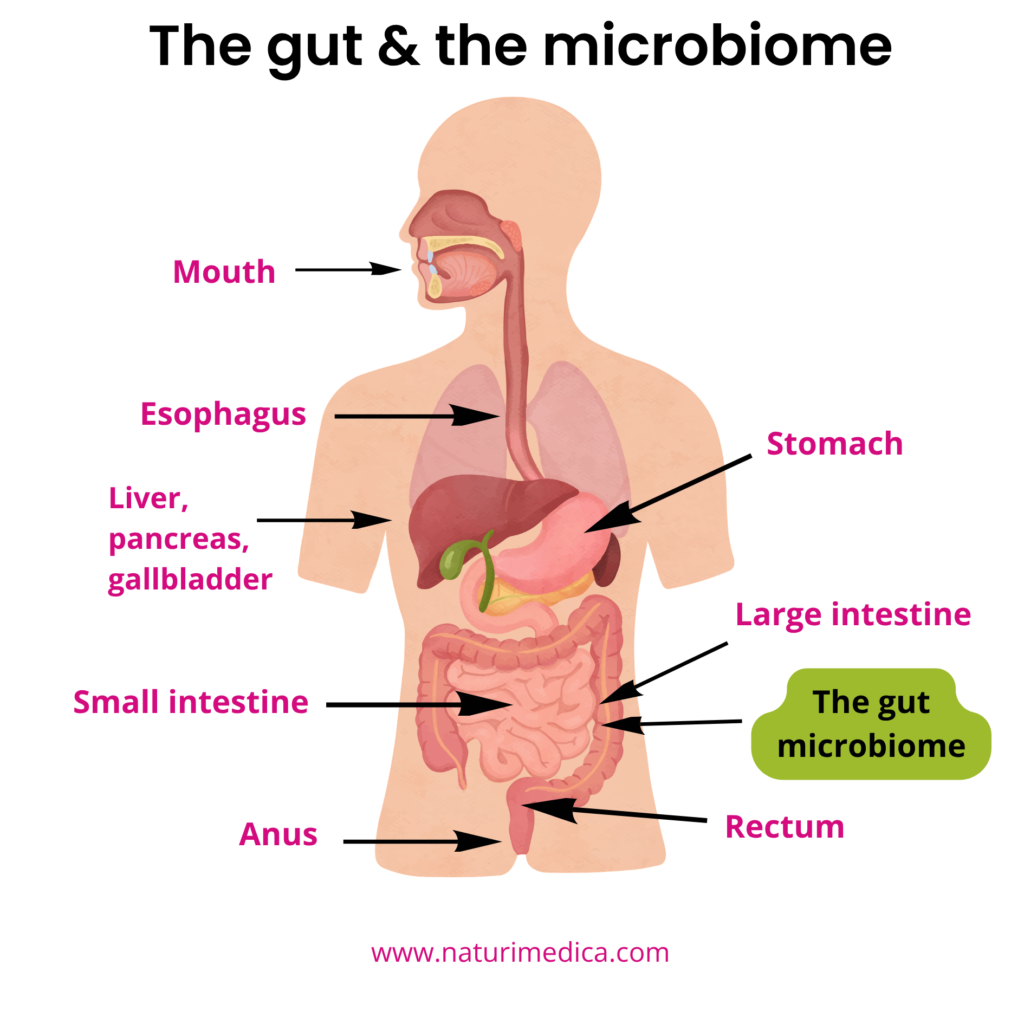
Definition: Gut Microbiome
The gut microbiome refers to the trillions of microorganisms including bacteria, fungi and protozoa, that live primarily in the large intestine and play a critical role in human health.
The Gut as a Living Garden (Microbiome Explained)
Your gut is like a living garden ecosystem. that can be compared to a garden because it’s a thriving ecosystem of trillions of bacteria, fungi and other organisms that needs good nourishment and care to stay balanced and healthy.
- Beneficial bacteria = healthy plants
- Fibre = fertiliser for microbes
- Plant diversity = garden diversity
- Processed food/stress = weeds and toxins, disruption to balance
So, a healthy gut is a balanced, diverse ecosystem all interconnected and working together. Just like a garden and green spaces are vital to the health of the Earth, and all life in it your gut microbiota is crucial for your overall health and wellbeing.
What the Gut Actually Does (Beyond Digestion)
The gut plays a crucial role beyond digestion by influencing overall health, including immune function, hormone regulation, brain and mental health, and the balance of gut microbiota. Key functions include:
1. Immune system support
Most immune activity is linked to gut function. Around 70% of the immune system resides around the small intestine.
2. Hormone regulation
Gut microbes help process and regulate hormones via the subset of bacteria called estrobolome that metabolises estrogen.
3. Gut–brain communication
The gut communicates constantly with the brain via nerves and chemical signals.
Why Gut Health Underpins Whole-Body Health
The gastrointestinal tract (GIT = the gut) is more than a digestive system. It’s a complex, intelligent network that influences:
- Nutrient absorption
- Immune regulation
- Hormone metabolism
- Nervous system signalling
- Inflammation control
An imbalanced gut can contribute to symptoms far beyond digestion, including fatigue, mood changes, skin issues, hormone disruption and immune dysfunction.
What Disrupts Gut Health?
Having and maintaining gut health throughout life is essential for overall health and wellbeing. Several factors can disrupt the balance of microorganisms in the gut, leading to various health issues. Common disruptors include:
- Low fibre diets
- High processed food intake
- Pesticides residues in non-organic foods
- Chronic stress
- Poor sleep
- Inactivity
- Disrupted circadian rhythms
- Certain medications
Medications That Affect the Gut Microbiome
Certain medications can significantly alter the gut microbiome. Understanding these effects is essential for managing gut health and a thriving microbiome. These include:
Antibiotics
Reduce both harmful and beneficial bacteria causing microbiome imbalances and loss of microbe diversity.
NSAIDs (e.g. ibuprofen)
Can irritate gut lining and disrupt gut microbial balance and diversity of gut bacteria which may lead to gastrointestinal issues like ulcers and inflammation.
PPIs (acid reflux medications)
They reduce stomach acid changing microbial environment further down the digestive tract.
Metformin (diabetes medication)
Studies indicate that metformin may selectively influence certain groups of bacteria in the gut microbiota changing gut bacteria composition and balance (PMID 3769355).
In summary, medications can have serious effects on the gut microbiome. Awareness of these impacts can help in making informed decisions about drug use and gut health management.
Environmental Factors and Gut Health
Several environmental factors can disrupt the balance of gut bacteria, leading to potential health issues. These include: pesticides, pollution and lifestyle choices (e.g. modern urban lifestyles).
Glyphosate (Roundup)
Glyphosate-based herbicides are the most heavily applied herbicide in the world and usage continues to rise. Glyphosate is frequently found in the food chain because it is directly sprayed on edible crops.
Glyphosate works by inhibiting the shikimate pathway [1], which is of key importance for the synthesis of aromatic amino acids in plants and bacteria (tryptophan, phenylalanine and tyrosine). While this pathway does not exist in humans, glyphosate’s impacts on gut bacteria can lead to significant changes in the microbiome composition and diversity, and overall gut health.
Studies suggest glyphosate can:
- Negatively influence microbial balance
- Reduce beneficial bacteria and promote harmful bacteria impacting overall health
- Alter gut ecosystem diversity
Research is ongoing and health effects mostly depend on exposure levels. Study examples
- Low-dose glyphosate exposure alters gut microbiota composition and modulates gut homeostasis (PMID: 37196884) [2]
- Glyphosate may affect human gut microbiota, Science Daily, 2020 [3]
- Impact of glyphosate (RoundupTM) on the composition and functionality of the gut microbiome, 2023 (PMID: 38099711) [4]
- Research presentation: Mesnage, Robin, “Effects of dietary exposures to pesticide residues on the gut microbiome,” 2019 [5]
Maintaining gut health requires awareness of environmental factors and lifestyle choices. A balanced diet, minimizing exposure to pollutants, and adopting healthy habits can significantly enhance gut microbiome diversity and overall health.
What Gut Microbes Eat
The microbiome bacteria thrive on:
- Fibre (including soluble, insoluble, resistant starch)
- Polyphenols present in brightly coloured fruit and vegetables. Polyphenols are plant compounds with antioxidant and anti-infammatory properties
- Plant diversity in the diet
Therefore, more plant variety = more microbial diversity = healthier microbiome = healthy gut and healthy body.
Microbiome Balance vs Dysbiosis
A healthy gut microbiome is diverse, resilient and balanced. Dysbiosis (gut bugs imbalance) occurs when: [7]
- Beneficial bacteria are reduced
- Opportunistic organisms overgrow
- Microbial diversity declines
Common contributors include:
- Chronic stress
- Poor diet quality
- Antibiotics or medications
- Infections or travel
- Hormonal changes
- Pesticides and environmental disruptors
Symptoms may include bloating, irregular bowel habits, reflux, food sensitivities, fatigue and brain fog.
One of the simplest ways to improve gut diversity is increasing plant variety by eating 30 plant foods for gut health each week. Learn how to do it simply and effectively, and understand why plant diversity matters for your gut in my article: [8]How to improve gut health naturally: why 30 plant foods per week changes everything [8].
For clients with significant dysbiosis, I recommend the GAPS diet which significantly restricts fibre to starve the unfriendly bacteria – this also starves the beneficial bacteria, and then rebuild the microbiome diversity and repair the leaky gut through a specific nutritional protocol. Find out more about this approach in my post: GAPS diet: what is it and how and when to apply it. [9]
Parasites, Bacteria and Opportunistic Organisms
Modern stool testing has increased detection of organisms such as:
- Blastocystis hominis
- Dientamoeba fragilis
- Opportunistic bacteria or yeasts such as Candida
Importantly, presence does not always equal disease. Some organisms may be harmless in certain contexts and problematic in others. Therefore, parasites and microbes, if present, must be interpreted clinically. Effective care depends on:
- Symptom severity
- Immune resilience
- Overall gut environment and microbiome balance
- Individual health history
Learn more about gut parasites and testing for their presence in my blog: Parasite treatment considerations: Blastocystis hominid and Dientamoeba fragilis [10].
The Gut–Brain–Hormone Connection
The gut communicates continuously with the brain (gut brain connection [11]) and endocrine system via:
- The vagus nerve
- Neurotransmitter production (e.g. serotonin produced in the gut)
- Immune signalling molecules
- Hormone metabolism and recycling
Disruptions in gut health can negatively influence:
- Stress resilience
- Mood and anxiety
- Sleep quality
- Estrogen balance
- Metabolism and weight loss
Circadian rhythm is a key influencer of hormones, gut function, immunity, sleep and metabolism. Find out how and why in my article: Melatonin, sunlight and circadian rhythm: a complete guide for hormones, sleep and midlife health [12]
Read more about gut parasites and testing in my blog: Parasite treatment considerations: Blastocystis hominid and Dientamoeba fragilis [10].
Gut Inflammation and Immune Activation
Approximately 70% of the immune system resides in the gut, mostly around small intestine (GALT = Gut-associated lymphoid tissue) [13]. Chronic gut inflammation can:
- Increase intestinal permeability (leaky gut) [14]
- Activate immune responses
- Drive systemic inflammation
- Affect hormone signalling
Triggers may include:
- Food intolerances [15]
- Chronic infections
- Stress
- Dysbiosis
Supporting gut integrity is therefore central to immune balance. [16] Learn about some home methods of supporting gut wall repair and integrity in this post: Healing bone broth recipes. [17]
Gut Health After 50
Maintaining gut health becomes increasingly important as we age, particularly after the age of 50. The digestive system can slow down, leading to common issues such as constipation, bloating, gastroesophageal reflux disease (GERD), and diverticulosis. These conditions can arise due to factors like diet alterations, decreased movement and exercise, and the effects of medications – which can accumulate after taking them for extended periods of time.
For women in particular, hormonal shifts during perimenopause and menopause can affect:
- Gut health
- Microbiome composition
- Inflammatory responses
- Metabolic balance
- Nervous system function
At the same time, digestive symptoms may worsen due to:
- Slower metabolism and gut motility
- Reduced digestive secretions (e.g. stomach acid)
- Cumulative stress load
- Cumulative toxic load
Therefore, addressing gut health at this life stage (after 50) can significantly improve energy, sleep, hormone balance (including decrease in menopause symptoms) and overall quality of life.
Read more about hormones and menopause HERE. [18]
Foundational Gut Support (Evidence-Informed)
In my clinical experience, rather than aggressive interventions, gut health is best supported through foundations first approach:
Core Principles:
- Wholefood nutrition, preferably mostly organic produce
- Regular, balanced meals (not overeating or undereating)
- Avoiding processed foods and additives/ preservatives/ pesticide residue in foods
- Gentle digestive support where needed (herbs, supplements, specific foods)
- Adequate hydration
- Stress and nervous system regulation
- Adequate rest
- Sleep improvement
- Circadian rhythms regulation – download my Circadian Health Guide for explanation and practical steps [19]
In my experience, targeted treatment protocols should always be individualised and based on clinical context, supported by gut and microbiome testing, where appropriate.
5 Simple Ways to Support Gut Health Naturally
- Eat a wide variety of plants
Feeds gut bacteria, promotes microbiome diversity. Aim for 30 plant foods per week [8].
- Include fermented foods
Supports microbial diversity and digestion
- Move your body regularly
Movement helps gut motility and better digestion
- Spend time outdoors
Supports circadian rhythm regulation, microbial diversity, gut health and overall wellbeing
- Prioritise sleep
Supports gut repair at night plus gut microbes follow daily biological rhythms including sleep factors
Bringing It All Together
Your gut is a living ecosystem that affects your entire body. When supported well, it can improve:
- Digestion and absorption
- Immune function
- Metabolism and weight loss
- Blood sugar regulation
- Energy stability
- Mental clarity
I suggest it’s best to start where you are at present, and improve gut health and the microbiome diversity gradually. Small, consistent daily habits matter more than perfection. Contact me if you’d like help or guidance on where to start and what to do in your circumstances.
Key Takeaways
- Gut health is central to whole-body health
- The microbiome acts like a living garden supporting the whole body
- Dysbiosis can affect whole-body health
- Diversity of plants consumed is critical
- Lifestyle strongly influences gut health and the microbiome
- Gut health and the microbiome influence digestion, immunity, hormones, weight and mood
- Gut health becomes increasingly important after 50
- Foundational support is essential before targeted treatment
FAQs
The gut microbiome is a community of trillions of microorganisms living in your digestive tract – mostly in the large intestine (colon). These microbes support digestion, immune function, hormone balance, and overall health.
Gut health influences digestion, immunity, mood, metabolism, and inflammation. A balanced microbiome helps your body function efficiently across multiple systems.
Common causes include a low-fibre diet, chronic stress, poor sleep, antibiotics and other medications, processed foods, sedentary lifestyle, and lack of microbial diversity.
Signs and symptoms may include bloating, excessive gas, irregular bowel movements, fatigue, food sensitivities, headaches, and even mood changes and brain fog.
Yes. The gut plays a key role in hormone metabolism, including estrogen regulation.
No. Treatment depends on symptoms, immune status, toxicity levels (e.g. heavy metals load) and overall gut health.
Hormonal changes can affect gut motility (e.g. constipation is quite common at menopause), inflammation and microbiome balance (especially estrobolome status) [20].
Not always. Probiotics should be chosen and timed carefully depending on individual needs. Food based probiotics such as fermented foods contains multiple probiotic strains that can be ingested daily. These are not just good options but are also easier and more sustainable budget options. Find out how to make fermented foods in my step-by-step posts: 1) Sauerkraut: how to make your own plus sauerkraut recipe [21] 2) Fermented foods: beet kvass and vegetable mix recipes [22]
The are many to choose from. I recommend starting with delicious GAPS desserts I make and recommend to my clients listed in my post: GAPS desserts: simple and easy recipes with tips. [23]
Protein digestion is mostly done in the stomach by the hydrochloric acid and pepsin, and finalised in the small intestine. Here’s the infographic depicting digestion of the three main nutrients: carbohydrates, proteins and fats plus vitamins.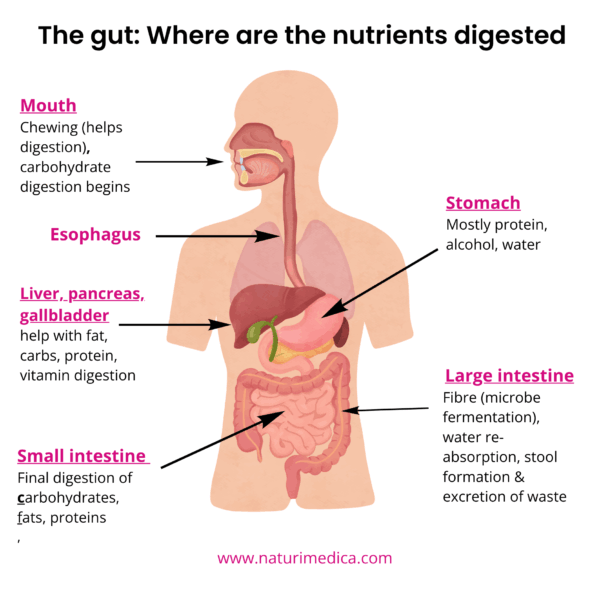
Next steps
If you’d like help with improving your gut health and re-balancing your microbiome, book an online naturopathic consultation [24]with me to discuss your circumstances and how I could help. Please note that at present I’m able to consult with Australia-based clients only.
To book an online or phone consultation, click the button below. I also offer a free 20-minute initial discussion to talk about your circumstances and how I could assist you.
 [24]
[24]I look forward to connecting with you and supporting you on your health journey.
Best of Health

Joanna Sochan
Wholistic Health and Lifestyle Therapist
Natural and Lifestyle Solutions for Abundant Health and Wellbeing
Related posts
- Gut health and hormones: how microbiome regulates estrogen levels [25]
- Rebuilding your natural melatonin cycle: practical strategies for hormonal harmony [26]
- Digestive first aid for bloating, indigestion, reflux, constipation and diarrhoea [27]
- Gallbladder functions: problems, symptoms and natural treatment [28]
- Green veggies help train digestive immune system [29]
Disclaimer: The above material is for informational and/or educational purposes only. It should not be used to self-diagnose and it is not a substitute for medical advice, diagnosis, treatment, prescription or recommendation. All viewers of this content, especially those taking prescription or over-the-counter medications, should not make any changes in their health regimen or diet before first consulting a doctor or other qualified health provider with any questions they may have regarding a medical condition or their particular circumstances.

Joanna Sochan is a Wholistic Natural Therapist and founder of Naturimedica Wholistic Wellcare. She has a passion for helping her clients transform their lives by becoming healthy and well naturally. Joanna has 15+ years experience in clinical practice and has special interest in solving complex cases, gut health, food sensitivities, hormone imbalances, detox and weight loss. She helps clients individually (mostly online) Australia-wide and also offers online therapeutic programs, eCourses and self-help books. View full bio [30].